

Defining Active Ingredients for Effective Skincare
Finding skincare that truly delivers can feel confusing when every label claims visible results. Modern women want more than surface-level promises—they seek solutions with science-backed power for lasting radiance and real skin health. Active ingredients stand at the heart of this transformation, offering measurable benefits that fit a cruelty-free lifestyle. This guide breaks down what makes these actives so effective and how choosing the right ones can help you reach your glow goals with confidence.
Table of Contents
- What Are Active Ingredients in Skincare
- Types of Active Ingredients and Their Functions
- How Active Ingredients Deliver Visible Results
- Safety, Regulations, and Efficacy Standards
- Choosing and Using Actives to Maximize Benefits
Key Takeaways
| Point | Details |
|---|---|
| Active Ingredients Are Essential | Effective skincare now relies on active ingredients that interact with skin at a cellular level to address specific concerns. |
| Choose Ingredients Based on Needs | Identify your skin type and concerns to select compatible active ingredients for optimal results. |
| Start Gradually | Begin with lower concentrations of active ingredients to assess skin tolerance and reduce the risk of irritation. |
| Consult Professionals | Seek guidance from skincare experts to develop a personalized regimen that maximizes ingredient benefits. |
What Are Active Ingredients in Skincare
Skincare has evolved dramatically, transforming from simple moisturizing routines to sophisticated scientific approaches targeting specific skin concerns. Active ingredients are the powerhouse components that make modern skincare truly effective, delivering targeted treatments beyond basic hydration.
Active ingredients are scientifically formulated substances that interact directly with skin processes to produce measurable, beneficial changes. Unlike inactive ingredients that merely provide texture or fragrance, these potent compounds work at a cellular level to address specific skin challenges.
The primary categories of active ingredients include:
- Vitamins: Antioxidant compounds like Vitamin C, A, and B3
- Chemical Exfoliants: Alpha hydroxy acids (AHAs), beta hydroxy acids (BHAs)
- Hydration Boosters: Hyaluronic acid, glycerin
- Regenerative Compounds: Peptides, ceramides
- Antioxidants: Green tea extract, resveratrol
Each active ingredient functions uniquely, targeting different skin concerns. Some ingredients repair cellular damage, while others stimulate collagen production or provide intense hydration. The effectiveness depends on concentration, formulation, and individual skin chemistry.
Active ingredients are scientifically validated substances that interact directly with skin’s biological processes to deliver specific, measurable benefits.
Key Characteristics of Active Ingredients:
- Specific molecular structure
- Proven clinical effectiveness
- Targeted skin interaction
- Measurable results
Pro tip: Always patch test new active ingredients and introduce them gradually into your skincare routine to minimize potential skin irritation.
Types of Active Ingredients and Their Functions
Modern skincare has transformed into a sophisticated science, with active ingredients playing a pivotal role in addressing specific skin concerns. Active ingredients in cosmetics are strategically designed to target various skin challenges through precise molecular interactions.
The primary categories of active ingredients encompass several critical types, each with unique functions and benefits:
-
Vitamins: Powerful antioxidant compounds that rejuvenate and protect skin
- Vitamin C: Stimulates collagen production and brightens complexion
- Retinol (Vitamin A): Accelerates cell renewal and reduces signs of aging
- Vitamin B3 (Niacinamide): Minimizes pore appearance and balances oil production
-
Acids: Exfoliating and resurfacing agents that promote skin renewal
- Alpha Hydroxy Acids (AHAs): Smooth skin texture and improve hydration
- Beta Hydroxy Acids (BHAs): Clear pores and reduce acne breakouts
- Hyaluronic Acid: Delivers intense hydration and plumps skin
-
Antioxidants: Protection against environmental damage and oxidative stress
- Green Tea Extract: Reduces inflammation and neutralizes free radicals
- Resveratrol: Supports skin’s natural defense mechanisms
- Vitamin E: Helps prevent premature aging and supports skin barrier
-
Peptides: Regenerative compounds that support skin’s structural proteins
- Collagen Peptides: Stimulate elastin and collagen production
- Copper Peptides: Promote wound healing and skin regeneration
- Signal Peptides: Communicate with skin cells to enhance repair processes
Each active ingredient functions through unique mechanisms, interacting with skin cells to produce targeted, measurable improvements in skin health and appearance.
The effectiveness of these active ingredients depends on multiple factors, including concentration, formulation, skin type, and individual biochemistry. Professional skincare experts recommend understanding your specific skin needs to select the most appropriate active ingredients.
Here’s a quick reference comparing major skincare actives and their optimal skin concern targets:
| Ingredient Type | Example Ingredient | Most Effective For | Typical Benefits |
|---|---|---|---|
| Vitamin | Vitamin C | Dull, aging skin | Brightening and firming |
| Exfoliating Acid | Glycolic Acid (AHA) | Rough, congested skin | Smoothing, renewing texture |
| Hydration Booster | Hyaluronic Acid | Dry, dehydrated skin | Deep hydration, plumping |
| Antioxidant | Green Tea Extract | Sensitive, stressed skin | Calming, protection |
| Peptide | Collagen Peptide | Aging, sagging skin | Firmness, elasticity |
Key Considerations When Selecting Active Ingredients:
- Identify your primary skin concerns
- Consider your skin type and sensitivity
- Start with lower concentrations
- Patch test new ingredients
- Introduce one active ingredient at a time
Pro tip: Consult with a dermatologist to develop a personalized active ingredient strategy tailored to your unique skin profile and concerns.
How Active Ingredients Deliver Visible Results
Skincare science has revolutionized our understanding of skin transformation, revealing how high-performance skincare actives deliver quantifiable improvements through precise biological mechanisms. These sophisticated ingredients work at a cellular level, targeting specific skin concerns with remarkable precision and effectiveness.
The key mechanisms by which active ingredients produce visible results include:
-
Cellular Regeneration
- Stimulate natural collagen production
- Accelerate cell turnover
- Enhance skin’s repair processes
-
Protective Functions
- Neutralize free radical damage
- Shield against environmental stressors
- Prevent premature skin aging
-
Hydration and Barrier Support
- Retain moisture at cellular levels
- Strengthen skin’s protective barrier
- Improve overall skin resilience
-
Targeted Concern Resolution
- Reduce hyperpigmentation
- Minimize fine lines and wrinkles
- Balance skin tone and texture
Scientifically Validated Performance Metrics include measurable outcomes such as:
- Wrinkle depth reduction
- Hydration percentage increase
- Skin elasticity improvement
- Pigmentation evening
- Inflammation reduction
Active ingredients function through precision molecular interactions that trigger specific biological responses, transforming skin at its fundamental level.
Professional skincare experts emphasize that consistent application and proper ingredient combination are crucial for maximizing active ingredient effectiveness. Understanding your unique skin profile helps optimize ingredient selection and integration.
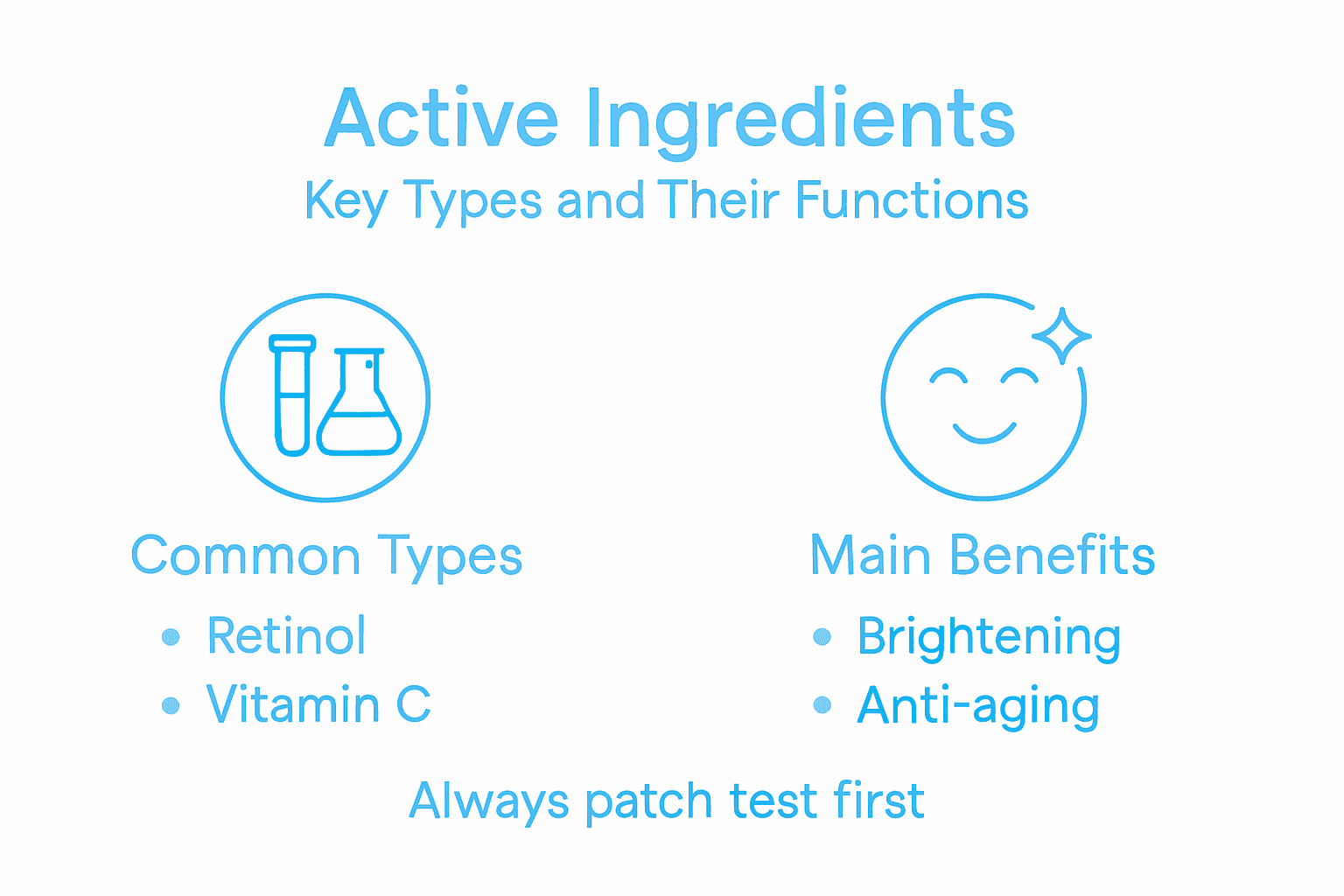
Key Factors Influencing Active Ingredient Performance:
Below is a summary of key factors affecting active ingredient performance and how they relate to visible results:
| Factor | Impact on Results | Example Adjustment |
|---|---|---|
| Concentration Level | Higher potency, more risk | Start low, increase slowly |
| Molecular Structure | Enhances absorption | Choose advanced formulas |
| Delivery Mechanism | Improves penetration | Use encapsulated actives |
| Skin Biochemistry | Alters effectiveness | Customize by skin type |
- Concentration levels
- Molecular structure
- Delivery mechanism
- Individual skin biochemistry
- Application technique
Pro tip: Always introduce new active ingredients gradually, starting with lower concentrations and monitoring your skin’s response to ensure optimal tolerance and effectiveness.
Safety, Regulations, and Efficacy Standards
Skincare ingredient safety represents a complex landscape of scientific scrutiny and regulatory oversight, with global standards designed to protect consumer health. Scientific Committee on Consumer Safety guidelines provide rigorous frameworks for evaluating cosmetic ingredient safety and effectiveness.
Key Safety Assessment Components include:
-
Toxicological Evaluation
- Comprehensive ingredient screening
- Potential allergen identification
- Long-term exposure risk analysis
-
Regulatory Compliance
- Pre-market safety assessments
- Ingredient concentration restrictions
- Mandatory ingredient transparency
-
Testing Protocols
- In-vitro testing methodologies
- Alternative animal testing approaches
- Quantitative risk measurement
-
Scientific Validation
- Clinical trial requirements
- Reproducible research standards
- Independent verification processes
Global Regulatory Framework Characteristics:
- Mandatory ingredient documentation
- Strict concentration limitations
- Comprehensive safety margin calculations
- Regular ingredient re-evaluation
- Transparent consumer information
Safety standards represent a critical intersection between scientific innovation and consumer protection, ensuring skincare ingredients meet the highest possible health and performance criteria.
Consumer protection agencies worldwide continuously update regulations to address emerging scientific insights, technological advancements, and potential health risks associated with cosmetic ingredients.
Critical Factors in Ingredient Safety Assessment:
- Molecular structure analysis
- Potential interaction mechanisms
- Long-term exposure implications
- Individual sensitivity considerations
- Environmental impact evaluation
Pro tip: Request comprehensive ingredient lists from skincare brands and cross-reference them with official safety databases to make informed purchasing decisions.
Choosing and Using Actives to Maximize Benefits
Navigating the complex world of skincare actives requires strategic selection and precise application. Optimal active ingredient formulation demands a scientific approach that balances potency with individual skin needs and compatibility.
Key Strategies for Maximizing Active Ingredient Benefits:
-
Goal-Oriented Selection
- Identify specific skin concerns
- Research scientifically validated ingredients
- Prioritize evidence over marketing trends
-
Ingredient Compatibility
- Understand synergistic combinations
- Avoid potential chemical interactions
- Balance complementary active ingredients
-
Concentration Management
- Start with lower concentrations
- Gradually increase potency
- Monitor skin’s response
-
Application Techniques
- Layer ingredients strategically
- Consider pH and molecular structure
- Use appropriate delivery mechanisms
Critical Considerations for Active Ingredient Integration:
- Assess individual skin type
- Understand ingredient interactions
- Check formulation stability
- Respect skin’s natural barrier
- Maintain consistent routine
Successful active ingredient usage requires a nuanced understanding of skin biology, ingredient properties, and personalized skincare objectives.
Professional skincare experts emphasize the importance of thoughtful ingredient selection. Not all active ingredients work identically for every individual, and what proves transformative for one person might cause irritation for another.
Potential Risks of Improper Active Ingredient Use:
- Skin barrier disruption
- Increased sensitivity
- Potential inflammatory responses
- Reduced ingredient efficacy
- Counterproductive skin reactions
Pro tip: Conduct a patch test with new active ingredients and introduce them incrementally into your skincare routine to minimize potential adverse reactions.
Unlock the Power of Active Ingredients with Passé Daisy® Skincare
Understanding the science behind active ingredients is essential for anyone seeking effective skincare solutions that truly work. This article highlights how targeted molecular action and precise ingredient selection can transform your skin by addressing concerns such as aging, dehydration, and sensitivity. If you have struggled to find products that visibly improve your skin while respecting your unique skin chemistry and safety, Passé Daisy® offers meticulously crafted, cruelty-free formulas designed to deliver real results with elegance and care.
Discover skincare that harmonizes luxurious, thoughtfully innovated actives to nurture radiant and healthy skin without compromise. Explore our collection and experience how the right combination of scientifically validated ingredients can renew your skin’s vitality today.
Elevate your skincare routine by choosing products proven to work with your skin’s natural processes. Visit Passé Daisy® now to find your personalized formula and start revealing the glowing, resilient skin you deserve. Do not wait to embrace the future of ethical, effective skincare informed by science and heart.
Frequently Asked Questions
What are active ingredients in skincare?
Active ingredients are scientifically formulated substances that interact directly with skin processes to produce measurable, beneficial changes. They target specific skin concerns and work at a cellular level for improved skin health.
How do I choose the right active ingredients for my skin type?
To choose the right active ingredients, identify your primary skin concerns and consider your skin type and sensitivity. It’s best to start with lower concentrations and introduce one active ingredient at a time to monitor your skin’s response.
What is the role of antioxidants in skincare?
Antioxidants protect the skin from environmental damage and oxidative stress. They neutralize free radicals, reduce inflammation, and help in preventing premature aging, promoting healthier skin overall.
How can I safely incorporate active ingredients into my skincare routine?
To safely incorporate active ingredients, begin with lower concentrations, patch test new ingredients, and introduce them gradually. Ensure you understand ingredient interactions and maintain a consistent routine for optimal benefits.
Recommended
- How to Choose Skincare Ingredients for Your Skin Naturally – Passé Daisy
- Why Consistency Matters More Than Actives in Skincare – Passé Daisy
- Role of Luxury in Skincare: Elevating Results Ethically – Passé Daisy
- 7 Smart Tips for Eco-Friendly Skincare Practices – Passé Daisy
- Why Botanical Ingredients Matter for Sensitive Skin – Pure Light Botanical Beauty
- 7 Essentials for an Eco-Friendly Skincare Ingredients Checklist – The Soap Lab Scotland
Let customers speak for us
Their packaging is adorable and I’m literally obsessed with their vitamin c moisturizer.
One of my faves! Not too heavy & leaves my skin glowy/bright. The consistency wears perfect under makeup.

Absolutely love this serum! After a few weeks of consistent use, my lashes became longer and fuller, and my brows look much healthier. It’s gentle, easy to apply, and actually delivers visible results. Highly recommend! 💛
Absolutely love this serum! After a few weeks of consistent use, my lashes became longer and fuller, and my brows look much healthier. It’s gentle, easy to apply, and actually delivers visible results. Highly recommend! 💛

I’ve really enjoyed using this serum. It was easy to incorporate into my routine, and my lashes look healthier and fuller. I’m very happy with the results and would recommend it!
I absolutely LOVE this serum! After having a terrible accident with an eyelash curler that ripped out a huge chunk of my lashes, this stuff truly helped grow my lashes back longer and fuller! It is also does not irritate my eyes at all which is a huge plus! Totally worth it!

I’ve been using this serum for a little bit over a week and I have nothing but good things to say. There has been no irritation to my eyelids upon application and after, and I see a change in the fullness of my lashes already. I highly recommend.
I’ve been really enjoying this lash serum! It’s lightweight, easy to apply, and has become such a simple part of my nightly routine. I also love that it doesn’t feel sticky or heavy after application. The packaging is beautiful, and the overall experience feels really luxurious. I’m excited to keep using it and can’t wait to see even more results over time. Definitely recommend if you’re looking to support healthier-looking lashes!
I’ve been really enjoying this lash serum! It’s lightweight, easy to apply, and has become such a simple part of my nightly routine. I also love that it doesn’t feel sticky or heavy after application. The packaging is beautiful, and the overall experience feels really luxurious. I’m excited to keep using it and can’t wait to see even more results over time. Definitely recommend if you’re looking to support healthier-looking lashes!
I am absolutely in love with the Celestial Age-Defy Peptide Serum! Finding an anti-aging product that actually delivers visible results can be a challenge, but this serum is incredible. After just two weeks of using it morning and evening, I can already see a wonderful difference. My skin feels noticeably smoother, firmer, and deeply hydrated. It does an amazing job at softening fine lines and giving the skin a healthy, youthful glow. The texture is lightweight, absorbs beautifully, and leaves the skin feeling great. Highly recommend!

I’ve been using the Multi Peptide Eyelash Serum as part of my routine, and one of the things I like most is that it’s prostaglandin-free, vegan, and cruelty-free. The applicator is very precise, making it easy to apply to both my lashes and brows. So far, I’ve really enjoyed using it and I’m looking forward to seeing my results with continued use. Overall, it’s been a great addition to my beauty routine.
Just started using this serum and I cannot say enough good things about it. It’s so easy to add to my daily routine and really helps extenuate my natural features. Will be purchasing again!! 5 stars easy!!